
How to Choose a Sushi Restaurant: What Makes TEAK Different
Introduction: Why Choosing the Right Sushi Restaurant Matters
You've planned the perfect celebration dinner. The table is booked, the occasion is set, but when the sushi arrives (warm rice, dull fish, rolls that taste identical despite different names) the evening deflates. The Instagram feed promised an unforgettable experience; the reality delivered assembly-line mediocrity. If you've been there, you know: not all sushi restaurants are created equal, and the stakes are too high to guess.
To choose a quality sushi restaurant, evaluate five core signals: transparent fish sourcing (with named suppliers or daily specials that prove freshness), a chef-driven menu (not a 200-item laminated catalog), visible omakase or chef's-choice options, consistent atmosphere (dress code, service tempo, attention to detail), and clear menu guidance that educates rather than overwhelms. At TEAK, these standards are non-negotiable. Chef-curated menus, handcrafted sushi, and more than a decade of rich tradition define every plate.
Here's how to choose a sushi restaurant and what makes TEAK the premium choice in Red Bank.
What Makes a Sushi Restaurant High Quality?
Sushi restaurant quality isn't about price tags or Instagram-worthy plating. It's about craft transparency: the signals that prove a restaurant prioritizes provenance, preparation, and expertise over volume and convenience.
Most diners conflate sushi availability with sushi craft. A 200-item menu spanning every imaginable roll sounds impressive until you realize no kitchen can source, prep, and execute that many dishes at peak freshness. True quality restaurants curate ruthlessly, building menus around what's seasonal, what the chef does best, and what can be executed flawlessly on every plate.
The five-signal framework below is your decision rubric. Each signal is independently verifiable (you can observe or ask about it on your first visit), and together they separate restaurants that serve sushi from those that craft it.
Quality Isn't Synonymous with Expensive
Premium sushi costs more than fast-casual poke bowls, but price alone doesn't guarantee craft. A $150 omakase meal at a restaurant with no sourcing transparency or chef credentials is still a gamble. The signals below help you evaluate whether the price reflects genuine investment in sushi restaurant quality or simply positioning.
The Five-Signal Framework
Fish Sourcing & Freshness Transparency: Can the restaurant name suppliers, explain seasonal rotation, or point to daily specials that prove real-time sourcing decisions?
Chef-Driven Menu Design: Is the menu curated (20–40 items, clear chef recommendations) or a commodity catalog (200+ rolls with no guidance)?
Chef Expertise & Credentials: Does the chef have formal training, years of tenure, or omakase program leadership?
Atmosphere & Service Consistency: Is the environment intentional (temperature control, pacing, dress code) or chaotic?
Menu Education & Guidance: Does the menu help you navigate choices, or does it overwhelm with jargon and volume?
Each section below unpacks one signal and shows how TEAK Restaurant meets the standard.
Signal 1: Fish Sourcing & Freshness Transparency
The first quality indicator is also the hardest to fake: where does the fish come from, and how can you tell it's fresh?
Generic "fresh fish" claims are table stakes. What separates premium restaurants is sourcing transparency: named suppliers, seasonal rotation that changes based on availability, and daily specials that prove the kitchen is making real-time decisions, not thawing pre-portioned cuts from a freezer.
How to Spot Fresh vs. Frozen Fish
Fresh sushi indicators include distinct visual and textural markers: bright, clear eyes (for whole fish), firm flesh that springs back when pressed, and a clean ocean scent (never fishy or ammonia-tinged). Sashimi-grade fish should glisten without looking wet or slimy. If the menu lists "previously frozen" (which is standard for parasitic-risk species like salmon), that's a transparency signal, not a red flag, but the fish should still meet the visual and textural standards above.
At TEAK, we never pre-make sushi rolls; each order is assembled to order to preserve texture and temperature. This operational choice means slightly longer ticket times during peak service, but it's the only way to deliver the contrast of cool fish against warm rice that defines premium nigiri.
Daily Specials as Proof of Quality Rotation
Restaurants sourcing from commodity distributors run the same menu year-round because they're buying frozen, portioned cuts. Restaurants working with seasonal suppliers change offerings based on what's available. You'll see daily specials, omakase menus that rotate weekly, and servers who can explain why a particular fish is featured today.
When you visit TEAK's small group dining events, the menu reflects this seasonal rotation. Private menus are built around what the chef has handpicked that week, not a static catalog printed six months ago. This same attention extends to TEAK's takeout offerings, where fresh preparation standards support quality even outside the dining room.
What "Handpicked" Really Means
"Handpicked" or "chef-selected" isn't marketing fluff when it's backed by specific supplier relationships or market visits. Premium sushi chefs inspect fish before purchase, rejecting cuts that don't meet standards for color, fat marbling, or texture. If a restaurant can name the supplier or explain the selection process, you're in good hands. If they deflect or can't answer, you're likely eating commodity fish rebranded with aspirational language.
Signal 2: Chef-Driven Menu Design (Not a 200-Item Catalog)
Walk into a sushi restaurant. The menu is a laminated book spanning 15 pages: 200+ rolls, 50 appetizers, hot entrees, bento boxes, and a full Chinese menu tacked on for good measure. You feel paralyzed by choice, and you should, because volume is the enemy of craft.
Why Fewer Items Often Mean Better Quality
A curated menu signals two things: the chef has a point of view (these are the dishes we do best, the flavor profiles we stand behind), and the kitchen can execute every item flawlessly. When a menu sprawls beyond 40–60 items, quality control collapses. Ingredients sit longer, prep shortcuts multiply, and the kitchen loses the ability to adapt to what's fresh.
Premium sushi restaurants operate like high-end tasting menus: the chef selects, you trust. The opposite model (endless choice, no curation) optimizes for "something for everyone" at the expense of craft.
At TEAK, the menu balances tradition and innovation across a focused selection: signature sushi, Asian fusion entrees, and chef-curated omakase. Every dish earns its place because it represents the kitchen's standard, not because it fills a category gap. This focused approach extends to private dining and events, where curated group menus eliminate the "please-everyone paralysis" that derails most celebration dinners.
Omakase: The Chef-Trust Litmus Test
Omakase ("I leave it up to you" in Japanese) is the ultimate signal of chef-driven quality. The diner delegates entirely to the chef's expertise: what's fresh today, what's in season, what sequence of flavors and textures will create a memorable progression. Restaurants that offer omakase are betting their reputation on sushi chef expertise; restaurants that don't often lack the sourcing relationships or culinary confidence to pull it off.
If a sushi restaurant has no omakase program, ask why. The answer reveals whether the kitchen is reactive (we make what guests order from a catalog) or proactive (we curate the experience).
How TEAK's Menu Balances Tradition and Innovation
TEAK's approach merges classic sushi technique with bold Asian fusion flavors, not to chase trends, but to reflect more than a decade of culinary evolution. The menu isn't static; it shifts as the chef refines dishes, integrates seasonal ingredients, and responds to guest feedback. This living-menu philosophy creates a dining experience where quality is consistent but never predictable.
Signal 3: Chef Expertise & Credentials
Sushi is a craft discipline with centuries of apprenticeship tradition. The best sushi chefs train for years (often a decade or more), mastering knife technique, rice preparation, fish butchery, and flavor sequencing before they're trusted to lead an omakase program. This isn't a weekend culinary-school module; it's a career-long pursuit of precision.
What to Ask About the Chef's Background
When evaluating a sushi restaurant, ask: Where did the chef train? How long have they been with this restaurant? Do they lead the omakase program or delegate it? A restaurant that can answer these questions confidently has nothing to hide. A restaurant that deflects ("our chefs are all experienced") is likely cycling through line cooks, not investing in craft leadership.
Formal training matters, but so does tenure. A chef who's been with a restaurant for five, ten, or fifteen years signals stability, institutional knowledge, and a kitchen culture built around mentorship, not turnover and shortcuts.
Awards and Recognition as Market Signals
Awards aren't the only measure of quality, but they're a useful proxy for peer and customer validation. Michelin stars, James Beard nominations, and local "Best Of" accolades signal that the restaurant has been vetted by people who dine critically, not casually. At TEAK, the award recognition and decade-plus tradition aren't branding copy. They're market proof that the kitchen has delivered consistency and excellence long enough to earn external validation.
Why Omakase Menus Require True Expertise
An omakase meal isn't just "chef's choice": it's a curated narrative. The chef sequences flavors from light to rich, balances textures, and times each course to the guest's pace. This requires real-time judgment: Is the fatty tuna melting perfectly tonight, or should I pivot to yellowtail? Is this diner savoring slowly, or should I accelerate the tempo? Restaurants that offer omakase without a chef capable of that judgment deliver randomized sampling, not storytelling.
When TEAK guests book networking events or corporate celebrations, the same chef-driven curation extends to the private menu. Every course is intentional, timed to the event flow, and backed by the expertise that defines the main dining experience.
Signal 4: Atmosphere, Dress Code & Service Consistency
Sushi quality isn't just about what's on the plate; it's about the environment that frames the experience. Temperature control, noise level, service tempo, and even dress-code enforcement shape how you taste, absorb, and remember a meal.
Why Dress Codes Signal Curation, Not Exclusivity
A dress code is a quality signal, not gatekeeping. It tells you the restaurant has made an intentional choice: we're curating the energy, not passively accepting whatever walks through the door. Enforced dress codes correlate with other forms of intentionality (service training, ingredient standards, design consistency). The goal isn't exclusivity; it's creating an atmosphere where every guest's experience is supported, not diluted by chaos or casualness that clashes with premium pricing.
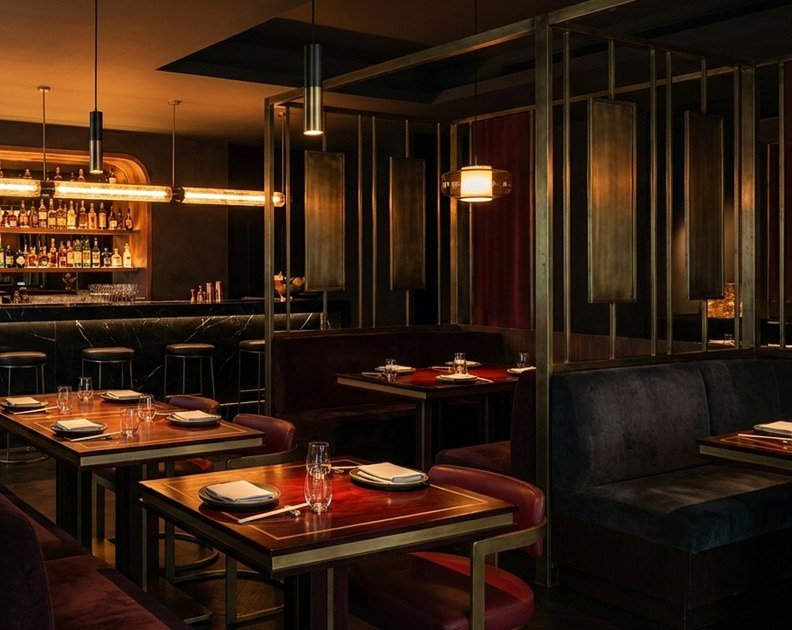
At TEAK, the dress code is part of the larger "Unrivaled Atmosphere" commitment. From the main dining room to the upstairs nightlife experience (Friday and Saturday, 9pm–2am only), every detail (lighting, music tempo, table spacing) is calibrated to support focus, connection, and celebration.
How Atmosphere Affects Taste
The science is clear: loud environments suppress taste perception; cold dining rooms make fatty fish taste waxy; rushed service destroys the pacing that makes omakase work. Premium sushi restaurants control these variables ruthlessly. You'll notice consistent temperature (cold enough to keep fish safe, warm enough to stay comfortable), acoustics that allow conversation without shouting, and service that matches your pace, not theirs.
TEAK's Intentional Environment: From Dine-In to Private Rooms
TEAK's dual dining and nightlife identity means the atmosphere adapts to context, but the intentionality remains constant. The main dining room supports focus and conversation; the Koi Room and Red Lotus Room (private dining spaces) offer intimacy for small group celebrations; and the upstairs VIP nightlife experience brings energy and exclusivity for guests extending their evening beyond dinner.
Our guests often extend their evening from omakase to upstairs VIP reservations, a transition no standalone restaurant can offer. This integration (dining, private events, and nightlife under one roof) eliminates the logistical friction of multi-venue coordination.
Signal 5: Menu Education & Guidance (Not Overwhelm)
A 200-item menu without guidance is a test, not a service. Premium sushi restaurants recognize that most diners don't have encyclopedic knowledge of fish species, preparation styles, or traditional sequencing, and they build the menu to educate, not intimidate.
Why Transparency Beats Volume
Menu psychology research shows that too many choices trigger decision paralysis and regret. Diners second-guess their order, compare endlessly, and leave less satisfied even when the food is excellent. The solution isn't dumbing down the menu; it's adding transparency: ingredient descriptions, chef recommendations, pairing suggestions, and clear signals about portion size, spice level, or preparation style.
A well-designed menu answers the questions guests are too embarrassed to ask: What's the difference between nigiri and sashimi? Is this roll spicy? What should I order if I've never had omakase before?
Red Bank's dining scene is dense with options, making menu clarity a competitive differentiator. Restaurants that guide the experience (rather than dump 200 choices on the table) earn trust and repeat visits.
Pairing Recommendations and Chef Picks
The best sushi restaurants flag chef recommendations, seasonal highlights, and pairing suggestions directly on the menu. These aren't upsells; they're shortcuts to the kitchen's best work. If the menu lists a "Chef's Selection" or "Signature Rolls," that's where to start. If it doesn't, ask your server: What's the chef most proud of tonight? What's the best representation of your kitchen's style?
At TEAK, the menu structure supports exploration without overwhelm. Signature dishes anchor each section, cocktail pairings are suggested (not forced), and servers are trained to guide first-time omakase diners through the experience. This same philosophy extends to cocktail party packages, where stationed sushi platters and curated small-plate menus eliminate the "too many options, not enough clarity" problem that plagues private-event planning.
How TEAK's Menu Educates and Inspires
TEAK's menu merges tradition ( with innovation (Asian fusion entrees, bold flavor combinations) while maintaining clarity at every touchpoint. Descriptions explain technique and provenance without jargon. Chef recommendations are flagged. Allergen and dietary accommodations are proactive, not reactive. The result: guests feel confident, not confused, and the kitchen delivers what the menu promises.
Red Bank's Sushi Standard: What Makes TEAK Different
Now apply the five-signal framework to TEAK. Here's how to choose a sushi restaurant using the checklist, and where TEAK exceeds the standard.
TEAK's Five-Signal Checklist in Action
Fish Sourcing & Freshness Transparency: Daily rotation, chef-selected fish, no pre-made rolls. Every sushi order is assembled to order, preserving the temperature contrast and texture that define premium craft.
Chef-Driven Menu Design: A curated selection spanning handcrafted sushi, Asian fusion entrees, and omakase. The menu reflects more than a decade of culinary evolution, not a static commodity catalog.
Chef Expertise & Credentials: Award-recognized tradition, decade-plus tenure, and omakase program leadership signal genuine craft investment, not line-cook rotation.
Atmosphere & Service Consistency: Enforced dress code, climate-controlled dining rooms, guest-paced service, and named private rooms (Koi Room, Red Lotus Room) for intimate celebrations. The dual dining/nightlife identity (upstairs VIP, Friday/Saturday 9pm–2am) means the energy adapts to context without losing intentionality.
Menu Education & Guidance: Clear descriptions, chef recommendations, pairing suggestions, and proactive dietary accommodations eliminate decision paralysis and build trust.
Beyond Sushi: The Dual Dining + Nightlife Advantage
TEAK isn't just a sushi restaurant; it's a full-service venue that integrates celebration dining, private events, and premier nightlife under one roof. According to industry research on venue trends, 2024 event planners increasingly favor venues that combine dining, bar, and atmosphere in a single location, eliminating the logistical complexity of multi-vendor coordination.
TEAK delivers this integration: host a private celebration in the Red Lotus Room, enjoy omakase at the main dining counter, then extend the evening upstairs for VIP nightlife, all within the same venue, with the same standards of service and curation. PartySlate's 2024 catering trends analysis confirms that guests now prioritize venue-integrated catering (one point of contact, curated menus) over multi-vendor patchwork, a shift TEAK anticipated with its private-event infrastructure.
Why the Omakase Experience Defines the TEAK Standard
Omakase is the ultimate test of a sushi restaurant's craft: no menu to hide behind, no pre-portioned rolls to fall back on, just sushi chef expertise and the guest's trust. At TEAK, the omakase program reflects the same standards that govern the entire menu: transparent sourcing, chef-driven sequencing, and a commitment to honoring every moment of the experience.
When you book a table for omakase, you're not just ordering dinner; you're entering a conversation with the kitchen. The chef reads your pace, adapts the sequence, and curates a progression that balances tradition (classic nigiri technique) with innovation (unexpected flavor pairings, seasonal highlights). This level of attention extends to private events and group dining, where curated menus eliminate the "generic catering" problem and deliver the same craft you'd experience at the main dining counter.
Red Bank's food and drink directory includes dozens of sushi options, but few restaurants integrate omakase, private-event infrastructure, and premier nightlife into a single, curated experience. TEAK's positioning isn't about being the only sushi restaurant in Red Bank; it's about being the only venue that delivers this depth of craft and versatility.
How to Evaluate Sushi Quality on Your First Visit
You've identified a restaurant that looks promising based on the five-signal framework. Now you're at the table. Here's your tactical first-visit checklist to confirm quality in real time.
Questions to Ask Your Server
"What fish arrived today?"
(Tests sourcing transparency and daily rotation.)
"What does the chef recommend for someone trying omakase for the first time?"
(Tests whether the restaurant has an omakase program and whether the server is trained to explain it.)
"Can you describe how this dish is prepared?"
(Tests menu transparency and server product knowledge.)
If the server can't answer these questions or deflects ("I can ask the kitchen"), you're not in a craft-focused restaurant; you're in a volume operation.
Conclusion
Choosing a quality sushi restaurant comes down to five transparent signals: fish sourcing and freshness, chef-driven menu design, chef expertise and credentials, atmosphere and service consistency, and menu education and guidance. These aren't subjective preferences; they're verifiable markers of craft investment that separate restaurants committed to excellence from those optimizing for volume.
At TEAK, these standards define every plate, every private event, and every guest interaction. From handcrafted sushi assembled to order to the integration of celebration dining and premier nightlife, the restaurant delivers an experience rooted in more than a decade of tradition and a commitment to unrivaled atmosphere.
The next time you're planning a special occasion in Red Bank, don't guess based on online reviews or Instagram aesthetics. Apply the five-signal framework, ask the right questions, and trust the restaurants that meet the standard. When you're ready to choose a sushi restaurant that delivers on every signal, TEAK's doors are open.


